-
We Don’t Talk About Bruno
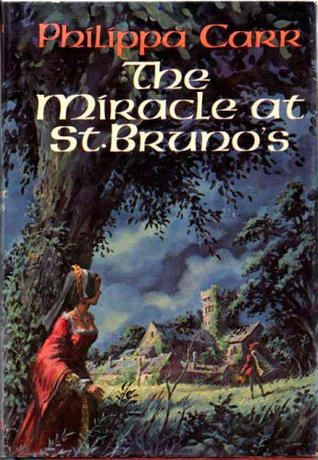
Published in 1972 as the first novel under the new pen name Philippa Carr, The Miracle at St. Bruno’s is the first in Carr’s Daughters of England series, told through a series of first-person diaries written by the eldest daughter of each subsequent generation, from Henry VIII’s reign all the way through WWII.
-
Film Fridays-Cyrano
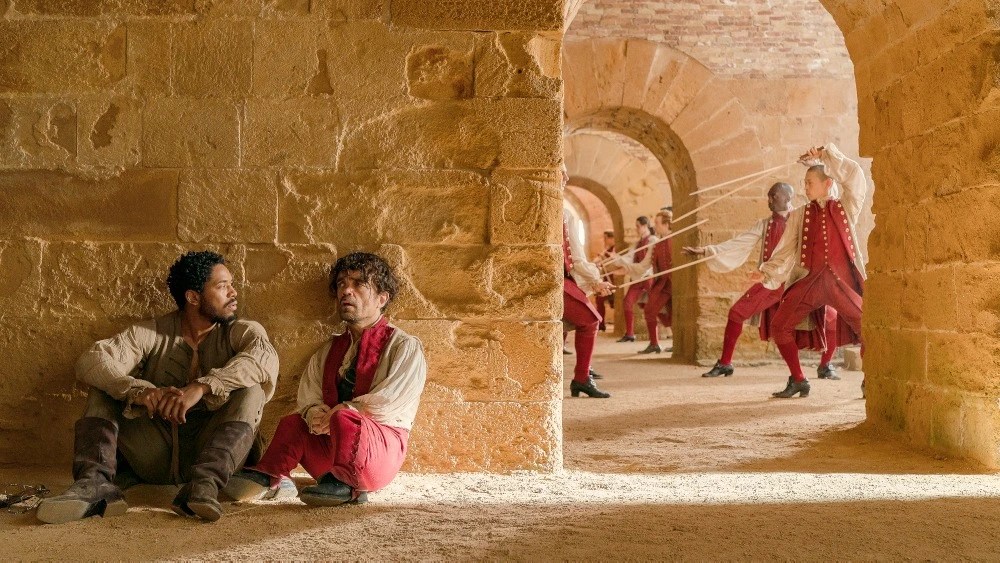
This one is a slight stretch but I’m including a post about it because it’s my blog and I can do what I want. I LOVE musicals. I had no idea 2021’s Cyrano was a musical until I checked out a copy from my library. It’s not a story I had been familiar with prior…
-
Transcribe, Translate, or Adapt?: The Power of a Word
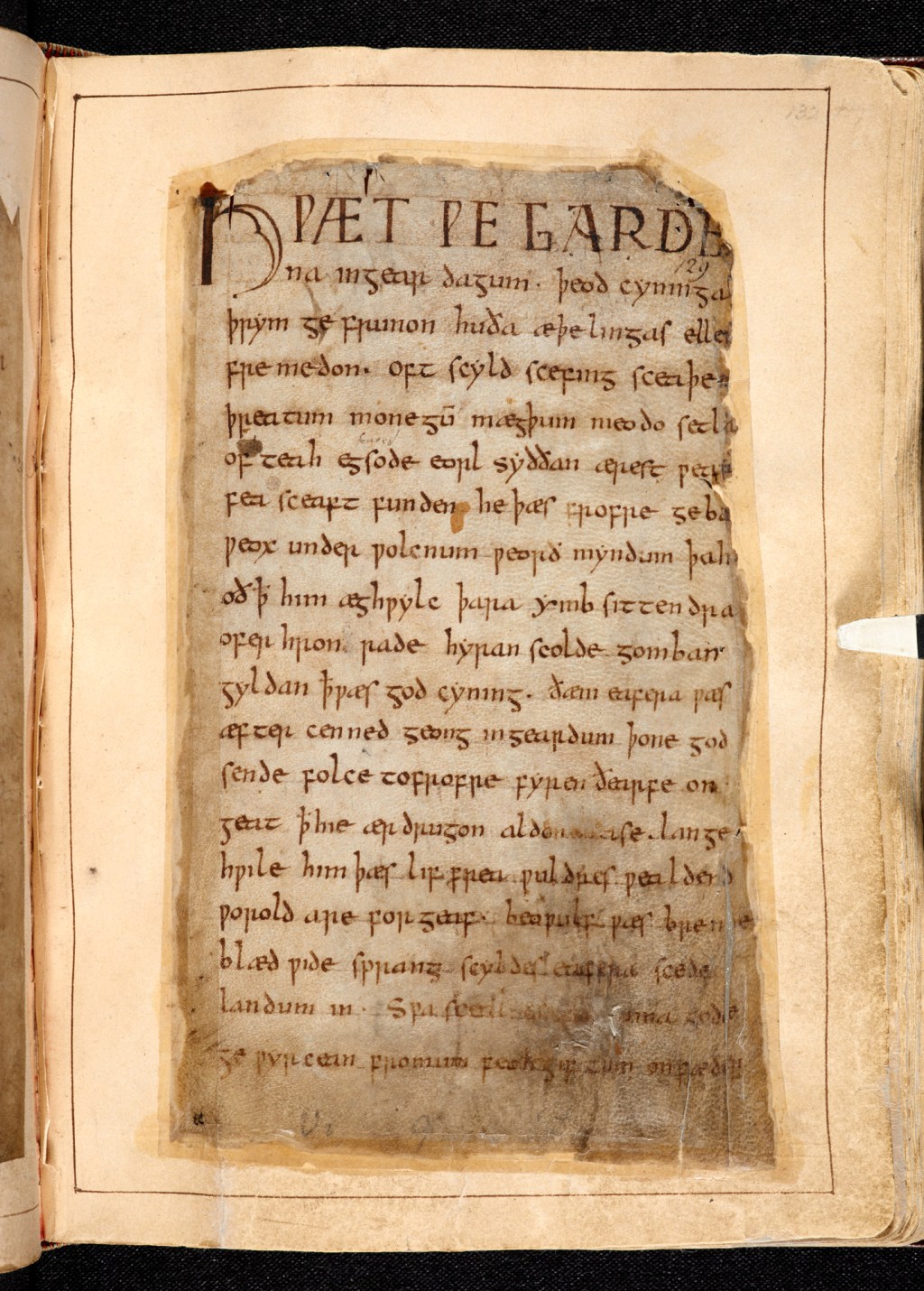
An examination of Beowulf’s opening Old English word “hwaet” and the impact of transcribing vs translating vs adapting.
-
The Fair Unknown
Just as in modern media, medieval literature was comprised of motifs and tropes, recognizable patterns that allowed for interpretation and analysis. “The Fair Unknown” began as an individual character in the late 12th or early 13th century French poem Le Bel Inconnu by Renaut de Beaujeu. In this poem the as-yet unknown Sir Gingalain has…
-
Film Fridays-Monty Python and the Holy Grail
Monty Python and the Holy Grail hit theaters in 1975. Monty Python, already an established comedy troupe comprised of members Graham Chapman, John Cleese, Terry Gilliam, Eric Idle, Terry Jones, and Michael Palin, represented an innovative form of comedic story telling. The Holy Grail was the troupes first ‘proper’ turn to feature length films (the…
-
Finding the Medieval
When I returned to higher education in my late 20’s, I was not anticipating a pivot into the world of medieval studies. It was my hope, after completing a two year degree in Library and Info Tech, that I would go to University only as a means to complete a BA, focusing instead on the…
-
Subscribe
Subscribed
Already have a WordPress.com account? Log in now.
 Queerly Beloved